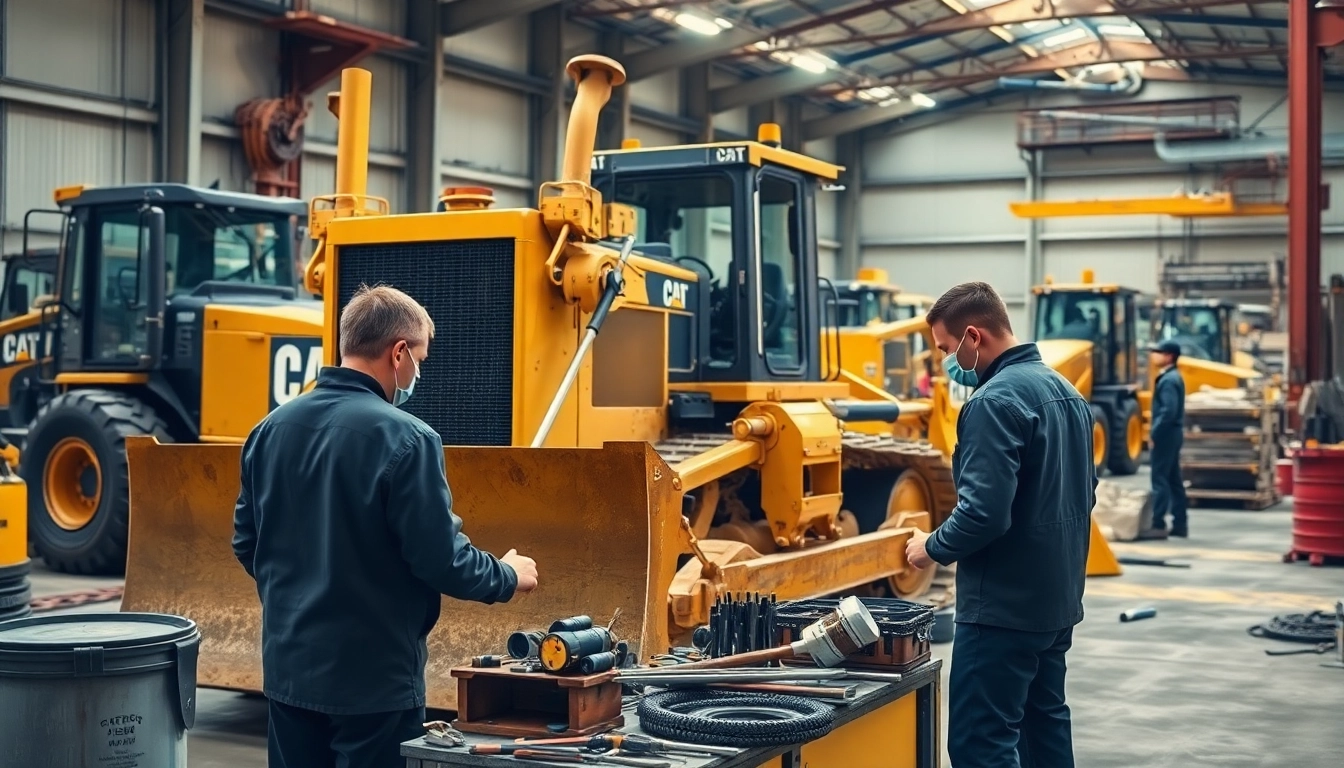
Understanding Equipment Service
Definition of Equipment Service
Equipment service encompasses a range of activities designed to maintain and enhance the performance of various machinery and tools. This includes the selling, installation, repair, inspection, and maintenance of equipment that is essential for operational efficiency. The goal is to ensure that all machinery functions optimally, thereby reducing downtime and improving productivity.
Importance of Regular Maintenance
Regular maintenance is critical for any equipment, as it helps to prevent potential breakdowns and prolongs the lifespan of machinery. By investing in consistent equipment service, businesses can avoid costly repairs, enhance safety, and maintain compliance with industry regulations. The practice of proactive maintenance reduces the likelihood of unexpected equipment failures that might otherwise interrupt operations.
Types of Equipment Service
Understanding the types of equipment service is essential for effective management. Below are common categories:
- Preventive Maintenance: Scheduled servicing meant to prevent issues before they occur. It often includes routine checks, lubrication, and cleaning.
- Corrective Maintenance: Actions taken to fix faults detected during inspections or operations. This includes repairs and replacements to restore functionality.
- Predictive Maintenance: Uses data and analytics to predict equipment failures before they happen, based on the condition of the equipment.
- Condition-Based Maintenance: Service based on real-time data, ensuring maintenance is performed only when necessary according to specific conditions.
Key Benefits of Professional Equipment Service
Enhanced Performance and Longevity
When equipment is serviced professionally, performance levels are maximized, resulting in increased productivity. Regular service helps keep machinery functioning at its peak, which can lead to significant improvements in output quality. Enhanced performance often translates to faster project completion and reduced operational costs, ensuring a better return on investment for businesses.
Safety and Compliance Assurance
Professional equipment service is crucial for maintaining workplace safety. Equipment that is not adequately maintained poses risks to operators and can lead to workplace accidents. Adherence to safety standards and regulations is facilitated through regular inspections and maintenance, ensuring that all equipment meets the required compliance measures.
Cost-Effectiveness of Proactive Maintenance
Investing in proactive maintenance can be more cost-effective than reactive measures. Proactive maintenance reduces emergency repair costs and associated downtime, allowing businesses to maintain a steady workflow. This not only saves money but also helps in budgeting effectively for equipment management over time.
Common Challenges in Equipment Service
Identifying Issues Early
One of the primary challenges in equipment service is the timely identification of potential problems. Many issues may not become apparent until a significant malfunction occurs, making it critical to establish regular inspection schedules. Employing technology for monitoring equipment conditions can aid in early detection of wear and tear.
Logistical Challenges and Solutions
Logistical hurdles, such as scheduling service and managing parts supply, can impede effective maintenance practices. Building a relationship with local suppliers and establishing a detailed service schedule can enhance efficiency. Implementing a service management software can also streamline coordination and the tracking of upcoming maintenance requirements.
Finding Qualified Technicians
Another challenge involves locating and retaining skilled technicians to perform equipment service. Businesses should focus on training their in-house staff and building a strong network of trusted external partners. Investing in ongoing education and certifications for technicians can improve the overall service quality and adaptability to new technologies.
Best Practices for Equipment Service
Setting a Maintenance Schedule
Developing a proactive maintenance schedule is essential for maximizing the lifespan and efficiency of equipment. This schedule should outline what maintenance tasks are required, when to perform them, and who is responsible for each task. Regular reviews of the schedule can help adapt to changing operational needs or equipment updates.
Choosing the Right Service Provider
Selecting a qualified service provider is crucial for effective equipment management. Businesses should prioritize factors such as the provider's reputation, expertise, response time, and warranty options. Reviews and recommendations can provide valuable insights into the reliability and quality of service offered.
Utilizing Technology for Monitoring
The adoption of technology in monitoring equipment performance has become increasingly beneficial. Using sensors and IoT devices allows for real-time data collection, enabling predictive maintenance strategies. This technology not only enhances efficiency but also provides valuable insights into potential future issues.
FAQs About Equipment Service
What is the meaning of equipment service?
Equipment service refers to the actions taken to ensure that machinery and tools operate efficiently, including routine maintenance, repairs, and inspections.
What are the benefits of regular equipment servicing?
Regular equipment servicing improves performance, increases safety, prevents breakdowns, and ultimately extends the life of the equipment, saving costs in the long run.
How often should equipment be serviced?
The frequency of service varies by equipment type and usage, but generally, regular inspections and maintenance should be scheduled annually or bi-annually.
What types of equipment require professional service?
Heavy machinery, commercial kitchen equipment, HVAC systems, and vehicles are common types that require professional equipment service to function optimally.
What should I look for in a service provider?
When choosing a service provider, consider their experience, certifications, response time, client reviews, and ability to meet your specific service needs effectively.