
Understanding Woodworm Infestations
Woodworm infestations are a persistent threat to wooden structures, furniture, and antiques, often going unnoticed until significant damage occurs. These wood-boring insects, typically in their larval stage, can remain hidden for years, wreaking havoc on unsuspecting homeowners and businesses. Understanding the nature of woodworms and their impact is crucial for effective management and prevention. The innovative solutions offered by SHASHEL® equip users with the necessary tools to combat these infestations efficiently.
What are Woodworms and their Impact?
Woodworms refer to the larvae of various species of wood-boring insects, most notably beetles. The damage caused by these pests can be extensive, leading to structural weakness in wooden items. For instance, the common furniture beetle, also known as Anobium punctatum, is notorious for infesting furniture and beams, often resulting in costly repairs or replacements. Identifying the signs of infestation early on can save homeowners significant expenses and preserve the integrity of their beloved wooden items.
Identifying Signs of Infestation
- Damage to Wood: Look for small holes in the wood surface, often referred to as exit holes, where adult beetles emerge.
- Frass: Fine, powdery wood dust accumulating around infested areas indicates active larvae.
- Sound: In some cases, woodworms create a tapping sound as they feed inside the wood, although this is less common.
The Life Cycle of Wood-Boring Insects
The life cycle of wood-boring insects typically includes four stages: egg, larva, pupa, and adult. The larvae are responsible for the damage as they tunnel through the wood, feeding and growing until they emerge as adults to reproduce. This cycle can span several years, making timely intervention essential to prevent extensive damage.
Innovative Solutions for Woodworm Treatment
In an era where environmental concerns dominate pest control discussions, the use of microwave technology represents a significant advancement in the fight against woodworms. SHASHEL® technology stands at the forefront of this innovation, offering efficient and chemical-free solutions for wood treatment.
Overview of SHASHEL® Technology
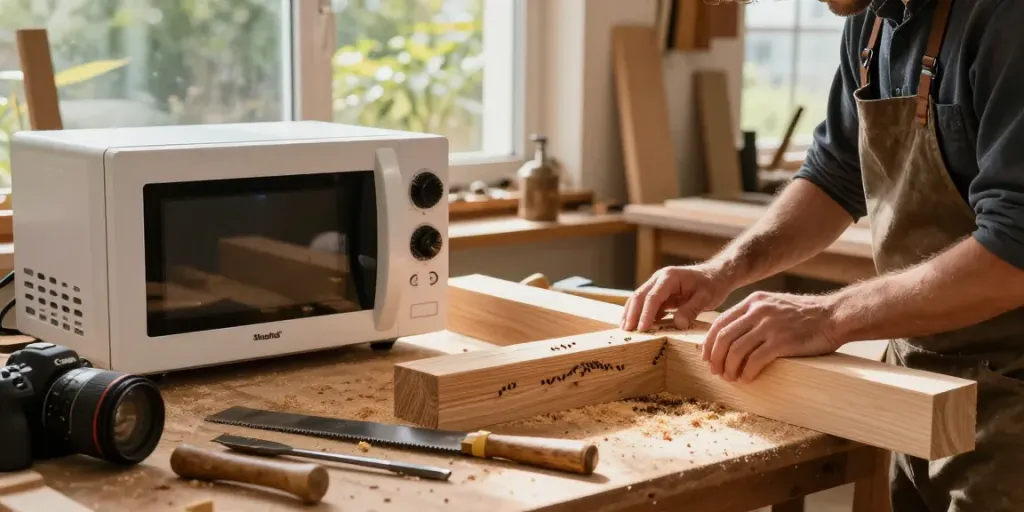
SHASHEL® employs microwave energy to target and eliminate wood-boring insects. This method works by heating the wood to a temperature that is lethal to woodworms, larvae, and eggs, ensuring a comprehensive eradication without the use of harmful chemicals. This not only protects the integrity of the wood but also promotes a safer environment for children and pets.
Benefits of Microwave Treatment
- Speed: SHASHEL® devices can eliminate infestations in mere minutes, offering a quick solution for urgent cases.
- Environmental Safety: As a chemical-free method, microwave treatment is eco-friendly and does not leave harmful residues.
- Versatility: Suitable for various wood types, including softwoods and hardwoods, along with hidden or hard-to-reach areas.
Comparison with Chemical Treatments
Traditional chemical treatments often involve toxic substances that can pose health risks and environmental hazards. In contrast, SHASHEL® provides a non-hazardous alternative, with microwave technology ensuring effective penetration into the wood while preserving its natural beauty. Furthermore, there is no need for evacuation or special safety precautions that are typically required when using chemical insecticides.
Using SHASHEL® Equipment Effectively
To maximize the effectiveness of SHASHEL® equipment, users must follow a clear set of guidelines tailored to the specific characteristics of the wood being treated. This ensures optimal results and helps maintain the quality of the wood.
Step-by-Step Guide to Treatment
- Inspection: Conduct a thorough inspection to identify infestation areas.
- Preparation: Clear the area of any obstructions, ensuring that the wood is accessible.
- Setting Parameters: Adjust the microwave settings as specified for the type of wood.
- Application: Apply the treatment, ensuring even coverage for full efficacy.
- Post-Treatment Monitoring: Follow up to check for any signs of residual activity.
Optimal Settings for Various Wood Types
Different wood types may require specific settings on the SHASHEL® equipment. For instance, denser hardwoods may need longer exposure to ensure the heat penetrates sufficiently, while softer woods can typically be treated more quickly. Understanding the thermal properties of the wood will enhance treatment effectiveness.
Safety Precautions and Considerations
While SHASHEL® technology is designed with safety in mind, it is essential to follow recommended guidelines. This includes wearing protective eyewear during operation and ensuring that the treatment area is well-ventilated. Additionally, users should always refer to the operating manual to familiarize themselves with specific safety features.
Case Studies: Success Stories with SHASHEL®
The effectiveness of SHASHEL® equipment is demonstrated through various successful applications, showcasing its versatility across different scenarios.
Residential Application in Old Homes
One notable case involved a historic home plagued by severe woodworm infestations. Traditional pest control methods had failed, resulting in significant structural damage. After applying SHASHEL® technology, the homeowner reported immediate results—woodworms were effectively eliminated, and the integrity of the home's antique wood features was preserved.
Commercial Solutions for Businesses
In a commercial setting, a furniture manufacturer faced production delays due to woodworm issues affecting their stock. By integrating SHASHEL® into their pest management routine, they successfully treated their inventory, reducing waste and ensuring timely delivery of products to customers.
Testimonials from Satisfied Customers
“We were amazed by how quickly and efficiently the SHASHEL® system worked. Our wood has never looked better, and we have peace of mind knowing it’s protected!” expressed a satisfied homeowner after their treatment experience.
The Future of Pest Control: Trends and Innovations
As the pest control industry evolves, the integration of technology will continue to shape treatment methods. The growing awareness of environmental sustainability and health safety is driving demand for solutions like SHASHEL®.
Emerging Technologies in the Pest Control Industry
Innovations such as drone surveillance for pest detection and AI-driven monitoring systems are on the rise. These technological advancements aim to enhance efficiency and accuracy in pest control strategies, ensuring effective and targeted treatments.
Predictions for Woodworm Treatment in 2026
By 2026, it is expected that more homeowners and businesses will adopt microwave technology as a standard practice for woodworm treatment. As awareness of its benefits spreads, SHASHEL® is poised to lead the market in this revolutionary approach.
How SHASHEL® is Leading the Way
With a commitment to innovation and sustainability, SHASHEL® is setting new standards in pest control. Their focus on user-friendly equipment and effective solutions positions them as a preferred choice for those seeking reliable woodworm treatment.
What makes SHASHEL® different from traditional pest control methods?
SHASHEL® distinguishes itself by utilizing microwave technology, offering a quick, effective, and eco-friendly solution compared to the lengthy processes and chemical risks associated with traditional methods.
How quickly can SHASHEL® equipment eliminate an infestation?
SHASHEL® equipment can typically eliminate woodworm infestations in minutes, significantly shortening the treatment time compared to traditional methods that may take weeks.
Are there any safety concerns with using SHASHEL® technology?
While SHASHEL® is designed for safety, users should always adhere to operating guidelines and precautions to ensure a secure treatment process.
Can SHASHEL® be used for other types of wood pests?
Yes, SHASHEL® can effectively target a variety of wood-boring insects, making it a versatile solution in pest control.
What should I do after treating wood with SHASHEL®?
After treatment, it's advisable to monitor the affected areas for any signs of residual activity and maintain regular inspections to prevent future infestations.