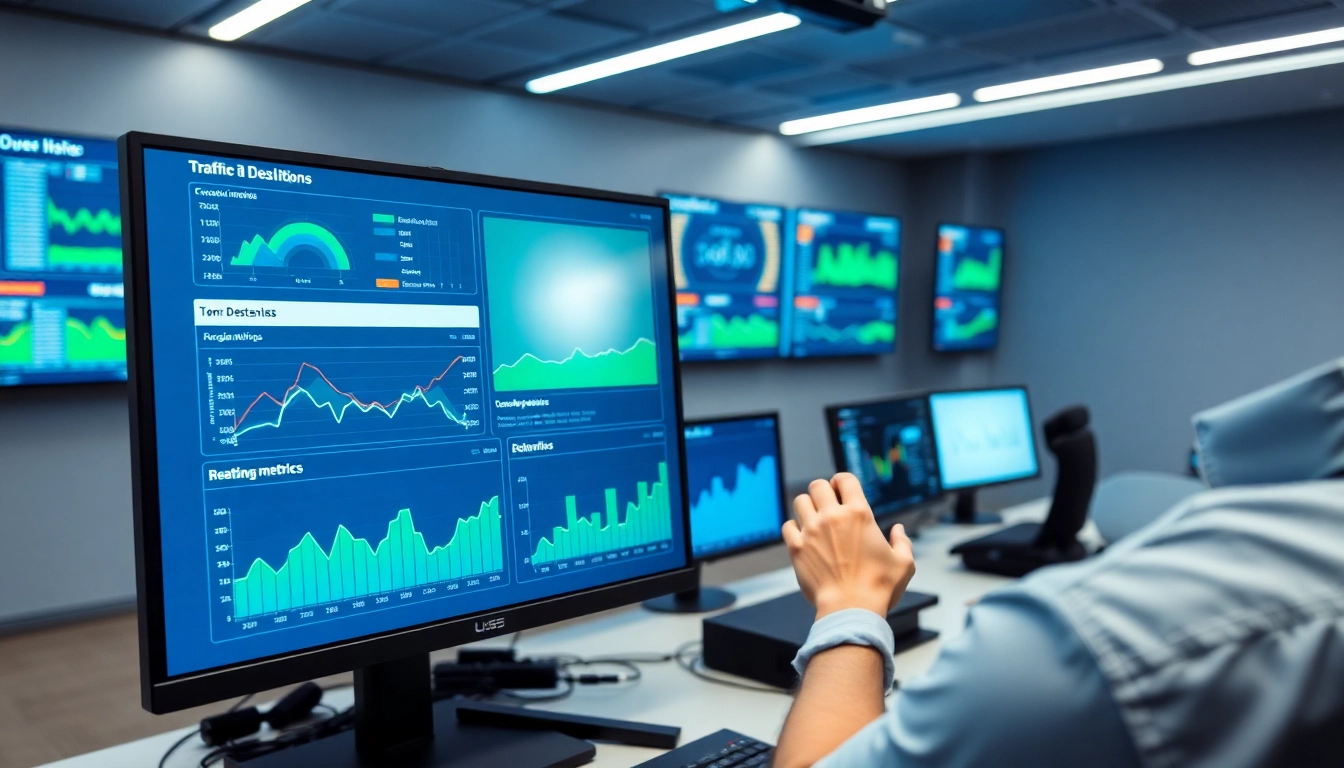
Understanding Queue Detection Software
Definition and Importance
Queue detection software is an advanced technological solution designed to monitor, analyze, and manage queues in various environments. It leverages data analytics, video surveillance, and sensor technology to assess the flow of people or vehicles in real-time. This software plays a crucial role in ensuring smooth operations across sectors such as traffic management, retail, and public transport. By implementing this queue detection software, organizations can proactively address traffic congestion or customer bottlenecks before they escalate into significant issues.
How It Works
Queue detection software typically employs a combination of hardware and algorithms to gather data. Sensors may be placed strategically to detect movement, while video analysis can provide insights into the size and speed of the queue. For example, when applied to traffic systems, the software can analyze traffic flows using data from cameras and radar systems, instantly identifying queue lengths, waiting times, and congestion points. The underlying algorithms process real-time data to generate actionable insights, enhancing both traffic control and customer service experiences.
Key Features to Look For
- Real-Time Monitoring: Provides instantaneous updates on current queue lengths and waiting times.
- Data Analytics: Offers insights through historical data, helping to identify peak times and trends.
- Alert Systems: Sends notifications for unmanaged queues, allowing for immediate intervention.
- Integration Capabilities: Easily integrates with existing infrastructure and systems, enhancing overall efficiency.
- User-Friendly Interface: Simplifies usage for operators and managers through intuitive controls and displays.
The Benefits of Using Queue Detection Software
Improving Traffic Flow
Effective queue detection software plays a vital role in enhancing traffic flow. By providing real-time data on queue lengths, it allows traffic control systems to adjust signal timings accordingly. This capability not only minimizes congestion but also prevents potential accidents caused by unexpected backups. Traffic management centers can deploy resources where needed, improving overall road efficiency and driving experience.
Enhancing Safety on Roads
Safety is paramount in traffic management, and queue detection software enhances it significantly. By providing warnings to drivers about stationary queues up ahead, it aids in reducing the likelihood of rear-end collisions. Moreover, analyzing traffic conditions can help local authorities set appropriate speed limits in congested areas, further ensuring the safety of drivers and pedestrians.
Reducing Wait Times for Users
In retail and service industries, the implementation of queue detection software can drastically reduce wait times for customers. By assessing foot traffic and optimizing staff allocation during peak hours, businesses can enhance customer satisfaction and retention. The software provides managers with the ability to predict busy periods and prepare accordingly, providing a smoother and more efficient shopping or service experience.
Challenges in Implementing Queue Detection Software
Technical Integration Issues
Integrating queue detection software with existing systems can present challenges. Organizations might face compatibility issues with legacy systems or may require additional hardware investments. Careful planning and assessment of current infrastructure are necessary to ensure seamless integration.
Cost Considerations
While the benefits of queue detection software are significant, the initial investment can be a hurdle for many organizations. Costs can include software licensing, hardware installation, and ongoing maintenance. A thorough cost-benefit analysis is essential to justify the investment and outline expected returns.
User Adoption and Training
Transitioning to a new queue detection system requires adequate training for staff to ensure effective use. Organizations must invest in training programs to enable personnel to understand and leverage the software's capabilities fully. Resistance to change among staff can also pose a challenge, which emphasizes the importance of demonstrating the software's practical benefits.
Real-world Applications of Queue Detection Software
Traffic Management Systems
Queue detection software is extensively used in traffic management systems. By monitoring queues at traffic lights or bottlenecks, the software enhances the responsiveness of traffic signals, thus maintaining an efficient traffic flow in urban settings. This application proves crucial in major cities, where congestion can lead to economic losses and increased environmental impact.
Retail and Customer Service
In retail settings, the software enhances customer experience by managing checkout queues effectively. It analyzes store traffic patterns, enabling retailers to anticipate busy periods and deploy staff accordingly. The result is decreased wait times and improved customer satisfaction rates, which directly correlates to increased sales and brand loyalty.
Public Transport Efficiency
Public transport systems utilize queue detection software to optimize passenger flow at stations. By analyzing passenger movements and queue lengths, transport authorities can adjust service frequency and schedules accordingly. This strategic approach helps minimize overcrowding and ensures a pleasant travel experience.
The Future of Queue Detection Software
Emerging Technologies
The future of queue detection software is interwoven with advancements in artificial intelligence and machine learning, which will enhance data analysis capabilities. These technologies will facilitate predictive analytics, allowing organizations to anticipate congestion points or customer demands, thereby improving operational efficiency further.
Trends in Data Analytics
As businesses increasingly rely on data-driven decisions, queue detection software will integrate more advanced data analytics features. Trends such as real-time heat mapping and demographic analysis can provide businesses with deeper insights into customer behavior, helping them tailor their strategies effectively.
Potential for Integration with Smart Cities
Information from queue detection software can be pivotal in the development of smart cities. By integrating real-time data with urban planning and infrastructure management, city officials can optimize traffic flows, enhance public transportation options, and improve the overall quality of urban life.
FAQs
What is queue detection software? It is a technology that monitors and analyzes queues in real-time to manage traffic and customer flow effectively.
How does queue detection software improve traffic management? By providing real-time data that helps optimize traffic signals, reducing congestion during peak hours.
What are the main components of queue detection software? Key components include real-time monitoring, data analytics, alert systems, and integration capabilities.
Can queue detection software be used in retail? Yes, it helps manage in-store queues and reduces wait times at checkout, enhancing the customer experience.
Is training required to use queue detection software? Yes, training is necessary for users to maximize the software's benefits and understand its features.