Understanding the Cultural Importance of Breton Events
The rich tapestry of Breton culture is woven from centuries of history, traditions, and communal experiences. Events like those organized by Skeudenn Bro Roazhon serve as vibrant manifestations of this cultural heritage, fostering a sense of belonging and pride within the community. From the exhilarating music festivals to art exhibitions, these events not only celebrate Breton customs but also invite participation from a diverse audience. As we explore the significance of these gatherings, we'll uncover how they play a vital role in preserving and promoting the unique identity of Brittany in the context of modern society. It’s important to connect with resources that enhance this cultural exploration, as engaging with เกมสล็อต offers insights into the ongoing cultural dialogues in the region.
Historical Significance of Breton Culture
Brittany, a region steeped in history, has faced numerous challenges in maintaining its cultural identity amidst globalization and modernization. From the ancient Celtic traditions to the 20th-century revival movements, each era has contributed to the distinct character of Breton culture. The historical struggles faced by the Bretons, including language suppression and cultural erasure, have fostered a resilient spirit that shines through in contemporary cultural events. Festivals honoring traditional music, dance, and crafts serve as powerful reminders of the region's heritage, ensuring that these practices continue to thrive in the modern age.
Current Trends in Cultural Festivals
As we move through the 2020s, cultural festivals in Brittany are evolving to reflect changing societal values and technological advancements. Events are now incorporating themes of sustainability and social inclusion, emphasizing the importance of community engagement and environmental responsibility. This shift not only attracts a younger demographic but also enriches the festival experience by diversifying the range of activities offered. By integrating contemporary issues into their programming, organizers create a space where traditional culture meets modern relevance, encouraging dialogue and connection among attendees.
How Events Foster Community Connections
Cultural events such as the Mercredis du Thabor become vital community hubs, bringing together individuals from various backgrounds. These gatherings promote social cohesion by offering opportunities for interaction, networking, and collaboration among residents and visitors alike. The sense of community built through these events is essential for fostering mutual understanding and respect for diversity. Through shared experiences, attendees can cultivate lasting relationships and forge a collective identity rooted in their shared appreciation for Breton culture.
Key Elements of Successful Cultural Events
Executing a successful cultural event requires careful planning and consideration of various elements that contribute to a memorable experience. Events that resonate deeply with audiences typically share common characteristics, from engaging programming to effective promotion of local artists. Below are some essential components that help ensure the success of cultural celebrations.
Engaging Activities that Attract Visitors
Engagement is key to capturing the interest of attendees. Activities such as workshops, performances, and interactive exhibits allow visitors to immerse themselves in the culture while learning from local artisans and performers. Diverse programming not only enhances the visitor experience but also ensures that there is something for everyone, from families to solo travelers. Events that feature a mix of traditional and contemporary practices tend to attract a wider audience, fostering greater appreciation for the breadth of Breton culture.
Promoting Local Artisans and Artists
Breton culture is rich with artistic talent, and successful events provide a platform for local artists to showcase their work. This promotion not only benefits the artists but also enriches the cultural experience for attendees. By highlighting local artisans, events contribute to the sustainability of the creative community, ensuring that traditional crafts and modern art forms continue to thrive. Collaboration between event organizers and local creators can lead to innovative projects that celebrate and define Breton identity.
Creating Memorable Experiences for Attendees
Memorability is at the heart of a successful event. Organizers should strive to create experiences that leave a lasting impact on attendees. This can include unique thematic elements, immersive storytelling, and opportunities for active participation. By making visitors feel like integral parts of the event, organizers foster a sense of belonging and encourage them to return in the future. Additionally, positive word-of-mouth generated by memorable experiences serves as invaluable marketing for future events.
Strategies for Effective Event Promotion
Once a cultural event is planned, the next step is effectively reaching the target audience. Employing strategic marketing techniques is crucial for maximizing attendance and engagement. Here are key strategies for promoting cultural events successfully.
Using Social Media to Amplify Reach
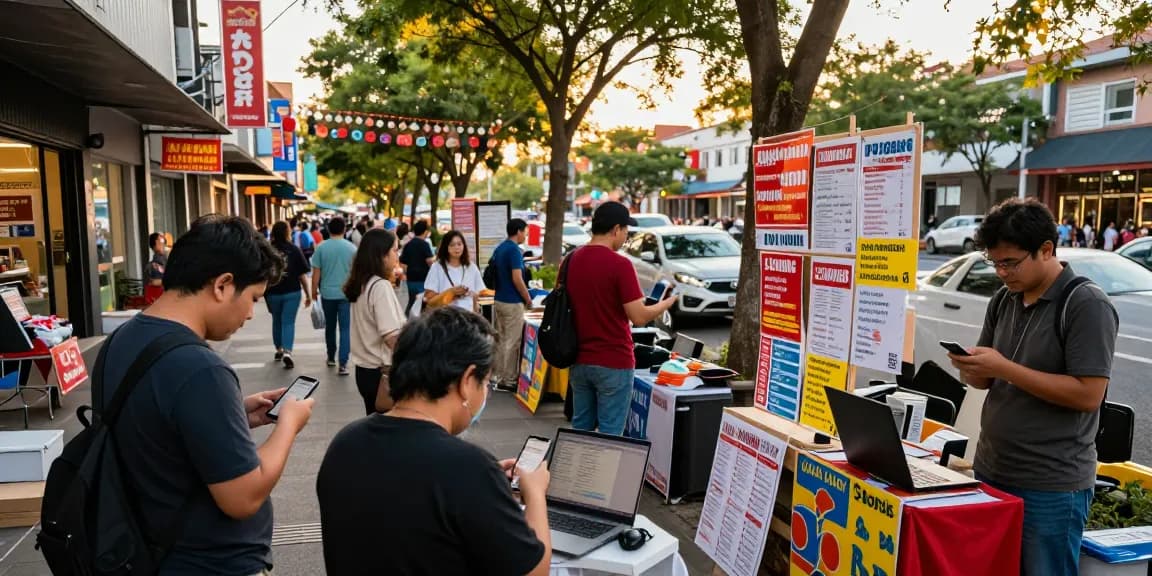
In today’s digital age, social media platforms are indispensable tools for event promotion. They provide a cost-effective way to reach large audiences and engage directly with potential attendees. By crafting compelling content and utilizing visuals that capture the essence of the event, organizers can generate buzz and excitement. Live updates, behind-the-scenes glimpses, and interaction with followers can significantly enhance engagement and encourage sharing, further expanding the event's reach.
Collaborating with Local Influencers
Partnering with local influencers and community leaders can amplify an event's visibility. These individuals often have dedicated followings and a deep understanding of the community's interests. By collaborating on promotional activities or hosting events, organizers can leverage their influence to attract attendees who may not have heard about the event otherwise. This approach fosters community support and showcases the event as a significant local initiative.
Crafting Compelling Event Narratives
Every event has a story to tell. Crafting a compelling narrative around the event helps to create emotional connections with potential attendees. Highlighting the cultural significance, showcasing the artists involved, and sharing testimonials from previous participants can draw people in and persuade them to engage. Effective storytelling not only helps in marketing but also enriches the attendee experience by providing a deeper understanding of the event's cultural context.
Measuring the Success of Cultural Events
To ensure ongoing improvement and effectiveness in event organization, measuring success through defined metrics is essential. Understanding which areas excelled and which need refinement can guide future planning. Below are strategies for evaluating the effectiveness of cultural events.
Key Performance Indicators to Track
Key performance indicators (KPIs) provide valuable insights into the success of an event. Attendance numbers, participant demographics, and engagement rates on social media are fundamental metrics to consider. Additionally, analyzing financial data, such as revenue generated from ticket sales and vendor fees, can help assess the event's financial viability. By tracking these indicators, organizers can assess whether they met their objectives and how to better align future events with community interests.
Gathering Feedback from Participants
Feedback from attendees is a goldmine of information that can inform future events. Collecting this data through surveys, interviews, or informal discussions allows organizers to gauge satisfaction levels and identify areas for improvement. It's important to solicit honest opinions and suggestions, creating an open dialogue that demonstrates a commitment to enhancing the attendee experience. This feedback loop ensures that the events remain relevant and aligned with community expectations.
Adapting Strategies for Future Events
Once the data is collected, it's crucial to analyze and adapt strategies based on the insights gained. This could involve refining marketing approaches, enhancing programming, or improving logistical operations. Flexibility is vital in the ever-changing landscape of cultural events. By being responsive to feedback and emerging trends, organizers can continually elevate the quality and impact of future events, ensuring their relevance in the community.
Future Trends in Cultural Engagement for 2026 and Beyond
The landscape of cultural engagement is rapidly evolving, presenting both challenges and opportunities for event organizers. As we look toward 2026 and beyond, several key trends are anticipated to shape the future of cultural events.
The Rise of Virtual and Hybrid Events
The COVID-19 pandemic has accelerated the adoption of virtual and hybrid events, which combine in-person and online experiences. This approach allows for greater accessibility, enabling individuals who may not be able to travel to participate. Events that incorporate virtual components can broaden their audience base, fostering an inclusive community that transcends geographical barriers. As technology continues to advance, we can expect these formats to become more sophisticated and engaging.
Integrating Technology into Cultural Experiences
Technology offers endless possibilities for enhancing cultural experiences. From augmented reality installations to interactive digital exhibits, incorporating innovative technologies can create immersive environments that captivate audiences. The use of apps for event navigation and engagement can enhance attendees' experiences, providing them with personalized content and real-time updates. Embracing technology not only modernizes events but also attracts tech-savvy younger generations who seek dynamic experiences.
Anticipating Community Needs and Preferences
As societal values shift, understanding and anticipating community needs will become increasingly important for successful cultural events. Organizers must remain attuned to the interests and challenges faced by their communities. Tailoring events to reflect these needs—whether through themes of social justice, environmental sustainability, or mental health awareness—will resonate more deeply with audiences. Events that proactively address community concerns will foster stronger connections and encourage greater participation.
What are the benefits of participating in cultural festivals?
Participating in cultural festivals offers numerous benefits, including fostering community connections, celebrating heritage, and providing opportunities for personal growth and learning. Attendees can experience a sense of belonging and pride in their culture while supporting local artists and businesses.
How can I get involved with local artist promotions?
Getting involved with local artist promotions can range from attending community events, joining local arts organizations, volunteering, or even advocating for artists through social media platforms. Engaging actively with the local art scene helps build a vibrant cultural environment that benefits everyone.
What should I expect at a Breton cultural event?
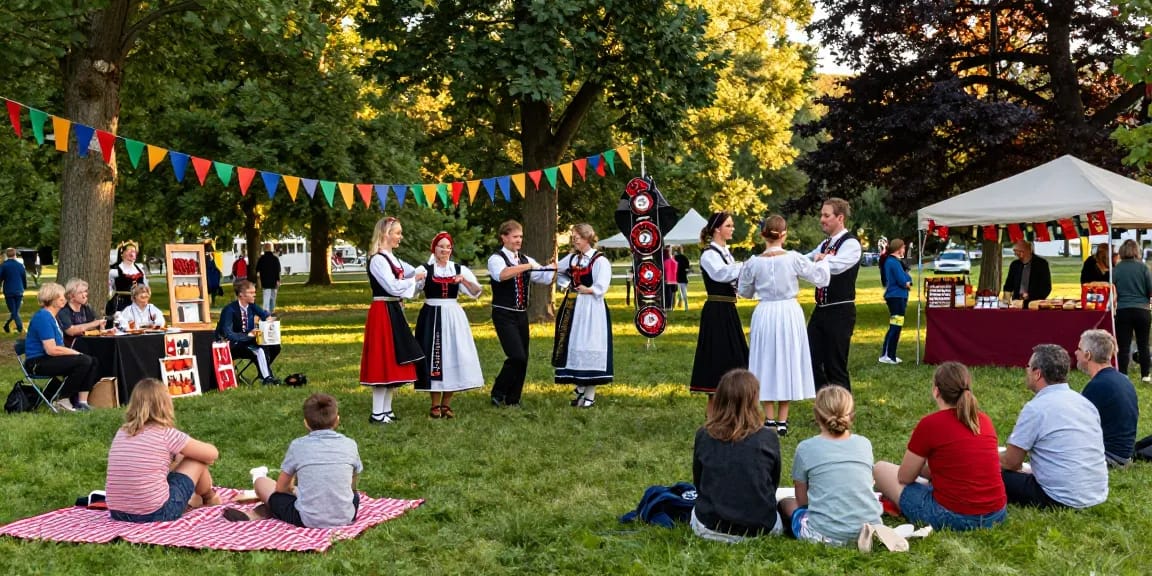
At a Breton cultural event, you can expect a rich array of activities, including traditional music and dance performances, artisan markets, workshops, and delicious local cuisine. The atmosphere is typically lively and welcoming, encouraging participation and celebration of Breton heritage.
How do I create a memorable experience for attendees?
To create a memorable experience for attendees, focus on immersive activities, meaningful engagement, and a welcoming atmosphere. Infusing personal touches, unique performances, and opportunities for interaction can transform an ordinary event into an extraordinary experience that resonates long after the event has ended.
What metrics should I use to assess event success?
Key metrics for assessing event success include attendance numbers, participant feedback, social media engagement, and financial returns. Examining these factors can provide insights into what resonated with attendees and guide improvements for future events.