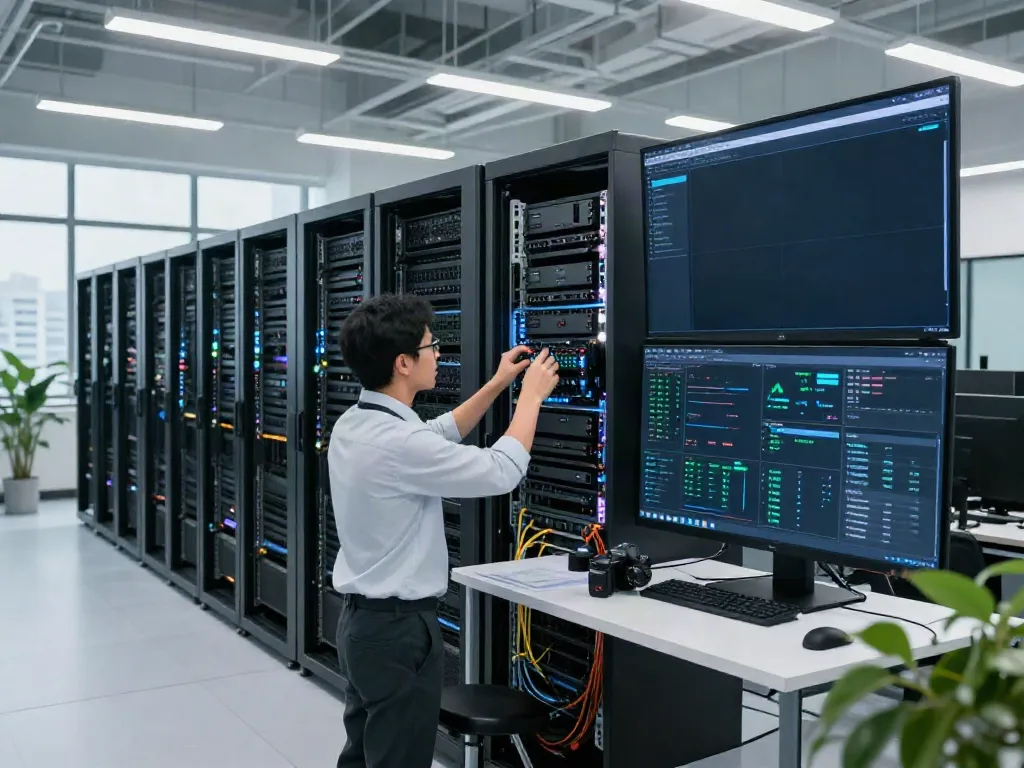
Understanding Instant Indexing and Its Importance
In the fast-paced digital landscape of 2026, having your content indexed by search engines instantly is not just an advantage; it’s a necessity. Instant indexing is the process by which search engines like Google and Bing recognize and incorporate new content almost immediately after it is published. This capability not only boosts visibility but also enhances organic traffic, which is crucial for online success. As marketers and website owners strive for opportunities to get ahead, understanding the intricacies of instant indexing becomes pivotal. For those exploring their options, instant indexing can significantly optimize how content is presented and discovered online.
What is Instant Indexing?
Instant indexing refers to the ability of search engines to immediately crawl and index new or updated content, making it available in search results almost in real time. This is particularly important for time-sensitive information such as news articles, blog posts, or product launches. Traditionally, the indexing process could take days or even weeks, but with instant indexing, this timeline shrinks significantly.
Why Instant Indexing Matters for Websites
Website owners and digital marketers understand that the earlier a piece of content is indexed, the sooner it can drive traffic. Instant indexing enhances user experience by making fresh and relevant information readily available. This is vital for maintaining competitiveness in industries where timely content can make a significant impact on audience engagement.
Common Misconceptions About Instant Indexing
Many people assume that instant indexing guarantees high rankings on search engine results pages (SERPs). However, while it does facilitate the indexing process, factors like content quality, relevance, and overall SEO practices still play crucial roles in determining search rankings.
Tools and Technologies for Instant Indexing
Leveraging effective tools is key to implementing instant indexing successfully. Various technologies and APIs can facilitate this process, transforming how content is indexed and discovered by search engines.
Exploring the Google Indexing API
The Google Indexing API is one of the most powerful tools for instant indexing. It allows webmasters to directly notify Google when new content is available or existing content has changed. This API is particularly useful for job postings and live streams but can also extend to any content that requires rapid indexing. By utilizing this API, website owners can take control over when and how their content is indexed, removing the uncertainty associated with traditional crawling methods.
Comparing Instant Indexing Plugins for WordPress
For WordPress users, several plugins facilitate instant indexing. Notable options include Rank Math’s Instant Indexing plugin, which allows users to submit URLs to Google directly. Another popular choice is the SEOPress plugin, which supports both Google’s Indexing API and Bing’s IndexNow. Each plugin has unique features and benefits, making it essential for users to choose one that aligns with their specific needs.
Utilizing Third-Party Indexing Tools Effectively
In addition to native APIs and plugins, several third-party tools offer instant indexing services. Tools like QuickIndex Pro and Instant URL Indexer promise rapid URL submissions to search engines. While these tools can significantly speed up the indexing process, users should be cautious and monitor their indexing status to avoid any potential indexing issues.
Best Practices for Implementing Instant Indexing
To make the most of instant indexing, certain best practices should be followed. From setup to monitoring, a strategic approach can lead to better results and effective use of this powerful trend in SEO.
Steps to Set Up Instant Indexing on Your Site
Setting up instant indexing involves a few critical steps:
- Integrate the necessary tools and plugins into your website.
- Utilize the Google Indexing API to notify Google of new content.
- Regularly check for indexing errors and fix issues promptly.
Creating Content That Benefits from Instant Indexing
Content should be focused and relevant to receive the benefits of instant indexing. Prioritize high-quality, unique content that caters to your audience's needs. This means conducting thorough keyword research and using targeted keywords strategically throughout your content.
Monitoring and Analyzing Indexing Performance
To ensure your indexing strategy is effective, consistent monitoring and analysis are vital. Use analytics tools to track indexing status, search impressions, and user engagement. This data will help you refine your content strategy and make necessary adjustments for improved performance.
Challenges and Solutions in Instant Indexing
Despite its advantages, instant indexing is not without challenges. Identifying and overcoming these obstacles is essential for maximizing the benefits of this technique.
Common Indexing Errors and How to Fix Them
Website owners may encounter various indexing errors, such as URL issues, robots.txt restrictions, or server problems. Regular audits can help identify these errors. Once detected, you can resolve them by ensuring your site's architecture is optimized and clear of obstructions.
Dealing with Slow Indexing Issues
Occasionally, even with instant indexing tools, slow indexing can occur. One potential solution is to evaluate your website's speed and performance. Optimizing page load times and ensuring a streamlined server response can help improve indexing speed.
Staying Updated with SEO Algorithm Changes
SEO is an ever-evolving field, and it is crucial to stay informed about algorithm updates that could affect indexing practices. Following reputable SEO blogs and forums can provide insights into the latest changes and help ensure your strategies remain relevant.
Future Trends in Instant Indexing for 2026 and Beyond
As we look ahead, several trends are poised to shape the future of instant indexing and SEO practices in general.
Emerging Technologies Impacting SEO
Advancements in AI and machine learning are likely to transform how search engines index content. These technologies can analyze and categorize information more efficiently, improving the accuracy of indexing and search results.
Predictions for Changes in Indexing Practices
We may see further integration of instant indexing within social media platforms and other digital channels, allowing instantaneous updates across the web. This could mean that content shared via social media would be indexed in real time, further blurring the lines between various online platforms.
Preparing Your Strategy for Future SEO Developments
To stay ahead in the competitive landscape, businesses should remain adaptable. This involves regularly revisiting your SEO and indexing strategies, ensuring they align with new technologies and practices emerging in the field.
What is the instant indexing process?
Instant indexing encompasses notifying search engines about newly published content via tools like the Google Indexing API, allowing for quick crawling and indexing.
How to troubleshoot common indexing issues?
Common issues can be addressed by checking Google Search Console for errors, ensuring proper use of sitemaps, and regularly auditing your website for technical SEO problems.
What are the benefits of using the Google Indexing API?
The Google Indexing API enables immediate indexing notifications and gives webmasters control over how often and when their content is indexed, ensuring timely visibility.
Can I automate instant indexing for all my content?
While automation is possible for many content types, it’s essential to regularly review indexed content for quality and accuracy to uphold SEO standards.
How do I measure the success of instant indexing efforts?
Measuring success can be achieved through metrics such as indexed pages, organic traffic growth, and improvements in search rankings for key terms.