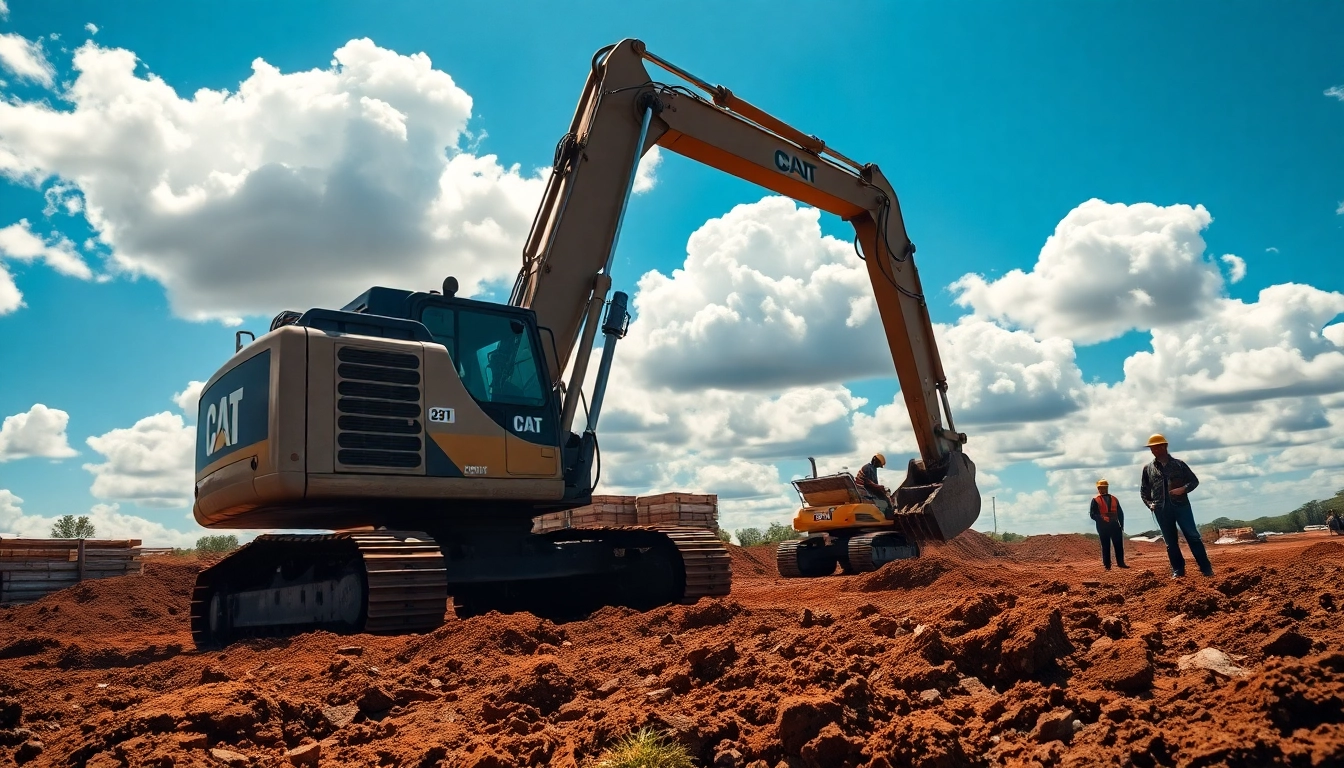
Understanding the Excavator: Basics and Beyond
What is an Excavator?
An excavator is a versatile piece of heavy construction equipment designed primarily for digging and moving large amounts of earth or materials. Characterized by a boom, dipper, bucket, and a rotating cab (often referred to as the house), excavators can perform countless tasks across various industries. The evolution of the excavator has led to the integration of advanced technology, making modern variants more efficient, powerful, and user-friendly. Understanding the functionality, design, and the numerous ways excavators can be utilized is crucial for professionals in construction and earthmoving sectors.
Main Components of the Excavator
The excavator is primarily composed of several critical components, including:
- Cab: This is the operator's station where controls for the machine are located.
- Boom: The long arm of the excavator that extends out over the work area.
- Dipper (or stick): Connected to the boom, it further extends and controls the bucket's movement.
- Bucket: The tool at the end of the dipper used for digging and moving materials.
- Undercarriage: The base of the excavator, either equipped with tracks or wheels for movement.
Each component works together harmoniously to enable the excavator to perform an array of tasks with precision and efficiency.
Types of Excavators and Their Uses
Excavators come in various forms, each tailored for specific tasks. Here are some common types:
- Standard Excavators: These are versatile and widely used for conventional digging and heavy lifting.
- Mini Excavators: Ideal for smaller projects or tight spaces, they provide the same functionality as standard excavators but in a more compact design.
- Long Reach Excavators: Equipped with an extended boom and dipper, these machines excel in deep digging.
- Hydraulic Excavators: These utilize hydraulic systems for enhanced power and speed, making them efficient for various heavy-duty tasks.
Choosing the right type is essential based on the project requirements, terrain, and materials being worked on.
Why Choose an Excavator for Your Project?
Benefits of Using Excavator
Utilizing an excavator offers a myriad of benefits, including:
- Efficiency: Excavators can dig, lift, and move materials much faster than manual labor.
- Versatility: With the ability to swap attachments, excavators can be used for various tasks beyond simple digging.
- Precision: Operators can control the movement of the bucket and other implements with great accuracy, reducing waste and rework.
Excavator vs. Other Heavy Equipment
While excavators are among the most multifunctional vehicles, they can be compared to other heavy machines like backhoes, bulldozers, and loaders. Each piece of equipment has its strengths:
- Backhoes: Easier for small tasks; however, excavators offer deeper digging capabilities.
- Bullldozers: Excels in pushing large amounts of material, but excavators provide greater digging depth and precision.
- Loaders: Best for moving materials over short distances; excavators can penetrate deeper into the ground for excavation.
Common Misconceptions About Excavators
Misinformation surrounding excavators can lead to misapplication. Common misconceptions include:
- Excavators can only dig: They can also lift, demolish, and handle materials with various attachments.
- All excavators are large machines: Mini excavators are available and suitable for smaller projects.
- Excavators are always expensive: Renting or purchasing used equipment can be a cost-effective solution.
Best Practices for Operating an Excavator Safely
Safety Equipment and Protocols
Safety should be a top priority when operating an excavator. Operators should always wear appropriate safety gear, including:
- Hard hats to protect against falling objects
- High-visibility vests to ensure visibility on-site
- Steel-toed boots to protect feet from heavy equipment
Following established safety protocols, like conducting site inspections and ensuring all equipment is in good working order before operational use, prevents accidents.
Excavator Operation Techniques
Effective operation of an excavator involves specific techniques. Operators should:
- Maintain a proper grip on the controls for sensitive maneuvering.
- Always be aware of their surroundings to maintain safe operations while working.
- Practice different movements such as digging, lifting, and swinging to enhance proficiency.
Routine Maintenance and Inspections
Regular maintenance is crucial for ensuring the longevity and performance of an excavator. Suggested practices include:
- Daily inspections of fluids, hydraulics, and controls before operation
- Periodic grease and filter changes to maintain Engine health
- Addition of timely repairs based on observed wear and tear.
Implementing a maintenance schedule not only provides operational efficiency but also prevents costly repairs in the long run.
Excavator Applications Across Various Industries
Construction and Earthmoving Tasks
In the construction industry, excavators are invaluable for tasks such as trenching, foundation digging, and material relocation. Their ability to handle heavy materials and adapt to various tasks makes them ideal for construction projects.
Landscaping and Site Preparation
Excavators play a significant role in landscaping projects, assisting in everything from grading land to planting trees and clearing debris. Their compact counterparts are especially popular for residential landscaping.
Demolition and Mining Operations
In demolition, excavators can efficiently break down structures and move debris. In the mining industry, they facilitate the extraction of minerals and materials, proving their versatility across domains.
Cost Analysis: Investing in an Excavator
Factors Influencing Excavator Prices
The cost of an excavator varies based on several factors, including size, capabilities, and brand. A new full-size excavator can cost between $100,000 and $500,000, while mini-excavators might range from $80,000 to $150,000, depending on specifications and attachments.
Renting vs. Buying an Excavator
Deciding whether to rent or buy an excavator depends largely on project requirements and budget. Renting can be a more economical choice for short-term projects, while purchasing may be beneficial for ongoing or long-term operations where frequent use is expected.
Financing Options for Excavator Acquisition
Various financing options exist for acquiring an excavator, such as loans, leasing options, or installment payments. Exploring these options according to your financial situation can lead to a beneficial investment in equipment that boosts productivity.
Frequently Asked Questions
What are the common uses of an excavator?
Excavators are commonly used for digging trenches, holes, material handling, demolition, mining, and site preparation tasks.
How much does it cost to rent an excavator?
Rental costs vary widely based on size and duration, with average rates ranging from $200 to $1,000 per day, or around $1,000 to $5,000 per week.
What should I look for when buying an excavator?
Consider factors such as the excavator's size, weight, lift capacity, fuel efficiency, and condition when purchasing an excavator.
Is operating an excavator difficult?
Operating an excavator requires skill and training. However, with proper guidance and practice, many find it manageable.
How often should excavators be maintained?
Excavators require regular maintenance, with daily inspections recommended along with scheduled service typically every 250 hours of operation.
Contact Information
Call Us: 4062607988Address: 3906 MT-40, Columbia Falls, MT 59912