
Understanding Driveway Cleaning: An Overview
What Is Driveway Cleaning?
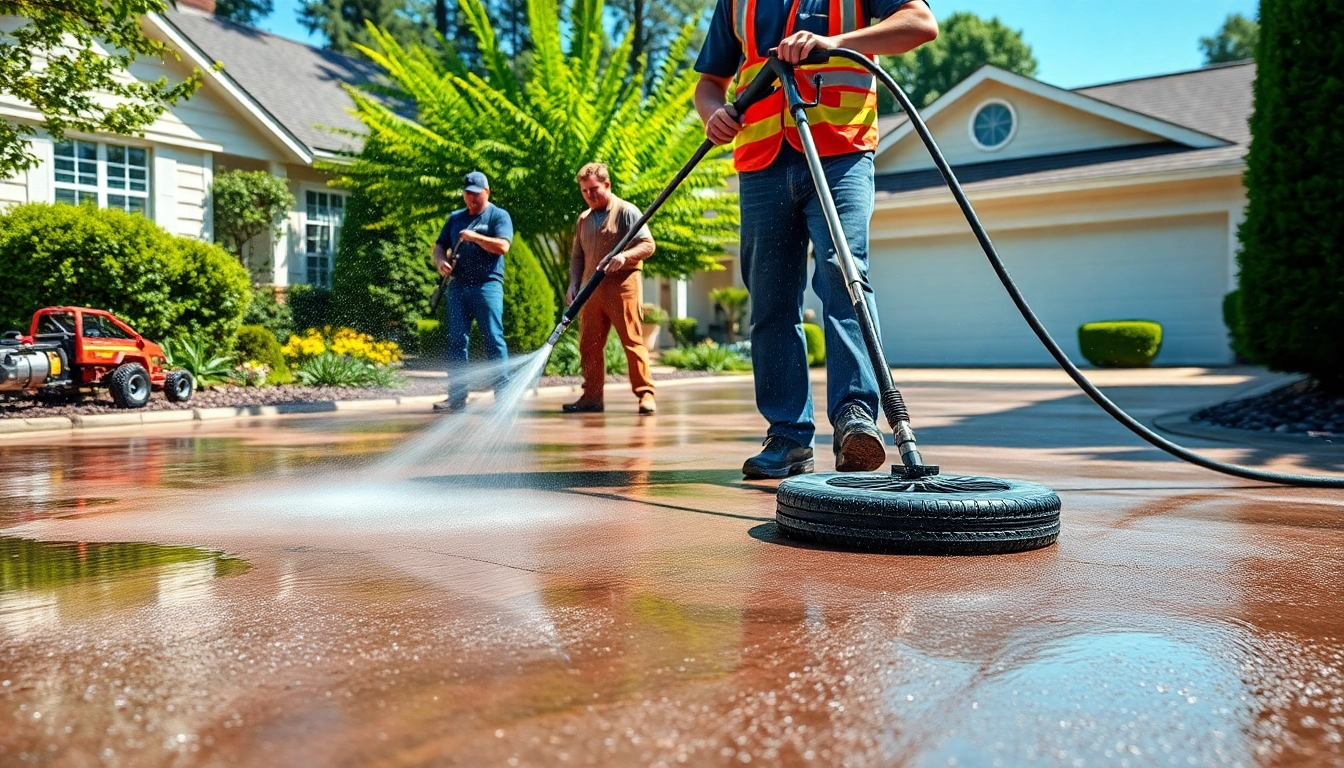
Driveway cleaning is the process of removing dirt, grime, oil stains, mold, and other unwanted materials accumulated on driveways over time. This service uses techniques ranging from manual scrubbing to professional pressure washing, aiming to restore the surface's appearance and prolong its lifespan. For homeowners wanting pristine curb appeal and increased property value, driveway cleaning is essential.
Importance of Maintaining Your Driveway
A well-maintained driveway not only enhances your home’s aesthetic but also protects your property from damage. Neglecting to clean your driveway can lead to permanent stains, cracks, and deterioration, ultimately causing costly repairs. Regular cleaning helps in managing weeds and algae growth, improving traction during wet conditions, and ensuring safety for vehicles and pedestrians.
Common Driveway Materials and Their Care
Driveways are typically made from materials such as concrete, asphalt, brick, or gravel. Each type requires specific care:
- Concrete: Durable but porous, susceptible to stains and mold.
- Asphalt: Less durable than concrete and prone to cracking; requires sealcoating.
- Brick: Attractive but can trap dirt and weeds; regular cleaning is needed.
- Gravel: Requires raking and replenishing to maintain its level.
Driveway Cleaning Techniques
Benefits of Pressure Washing for Driveway Cleaning
Pressure washing is an effective method for driveway cleaning, offering numerous benefits:
- Efficiency: Quick removal of dirt and stains.
- Deep Clean: Removes built-up grime that manual cleaning may miss.
- Eco-Friendly Options: Many services use biodegradable detergents.
- Versatility: Can be used on various materials without damage.
Comparing DIY vs. Professional Driveway Cleaning
Deciding between DIY cleaning and hiring a professional can be challenging. Here are some considerations:
- Cost: DIY may seem cheaper initially, but consider the cost of equipment and time.
- Expertise: Professionals have experience with different surfaces and know the right techniques.
- Equipment: Commercial-grade pressure washers are more powerful than typical consumer models.
- Convenience: Hiring a professional frees your time and ensures a thorough job.
Equipment Needed for Effective Driveway Cleaning
If you're opting for a DIY approach, you’ll need:
- Pressure washer: A unit with at least 1500 PSI for concrete.
- Cleansing agents: Special detergents for tough stains and algae.
- Protective gear: Safety glasses, gloves, and non-slip footwear.
- Brushes and brooms: For pre-cleaning and detail work.
Cost Considerations for Driveway Cleaning
Factors Influencing Driveway Cleaning Costs
Several factors can affect the price of driveway cleaning services:
- Size of the driveway: Larger areas require more time and resources.
- Material type: Concrete and asphalt are generally less expensive to clean than pavers or gravel.
- Condition: Heavily stained driveways require additional treatments.
- Location: Service rates can vary by region.
Average Costs per Square Foot for Different Materials
Understanding the average costs per square foot can help assess budget requirements:
- Concrete: $0.30 to $0.55 per square foot.
- Asphalt: $0.35 to $0.50 per square foot.
- Brick: $0.75 to $1.00 per square foot.
- Gravel: $0.50 to $0.75 per square foot.
How to Get Quotes from Cleaning Services
To get accurate quotes for cleaning services, consider these steps:
- Research reputable companies and read customer reviews.
- Provide detailed information about your driveway’s size and material.
- Ask about additional services included in the quote.
- Seek multiple quotes to compare services and prices.
Maintaining Your Driveway Post-Cleaning
Protective Treatments and Sealants
After cleaning, applying protective treatments can enhance your driveway’s longevity:
- Sealants: Protect concrete or asphalt from moisture and stains.
- Anti-slip coatings: Improve safety during rainy conditions.
- Weed barriers: Reduce the growth of weeds in pavers and gravel.
Regular Maintenance Tips After Driveway Cleaning
To keep your driveway in great condition, implement these regular maintenance practices:
- Inspect for cracks or early signs of damage regularly.
- Clear debris and leaves to prevent staining and moisture buildup.
- Consider periodic professional cleaning every 1-2 years.
- Seal your driveway every few years, depending on material type.
Identifying When to Schedule Another Cleaning
Knowing when to clean your driveway can help prevent major issues:
- Look for visible stains, discoloration, or mold growth.
- If water no longer beads on the surface, it may need resealing.
- Monitor how quickly dirt accumulates; if it’s faster than usual, cleaning may be needed.
- Schedule cleaning if you’re preparing to sell your home to enhance curb appeal.
Frequently Asked Questions About Driveway Cleaning
How much should driveway cleaning cost?
The cost varies but generally, driveway cleaning services range from $0.30 to $0.55 per square foot, depending on the material and condition. Getting multiple quotes can provide the best value.
What are the typical results of professional driveway cleaning?
Professional cleaning can restore your driveway to a nearly new condition, removing stains, dirt, and algae, which enhances its appearance and extends its lifespan.
Can I use household products for driveway cleaning?
Yes, mild detergents or baking soda can be effective for small stains, but for tough grime or oily stains, renting or hiring a pressure washing service is recommended.
How often should I have my driveway cleaned?
Generally, you should consider cleaning your driveway every 1-2 years, though more frequent cleaning might be necessary for heavily used driveways or in humid regions.
What environmental impacts should I consider when cleaning?
Consider choosing eco-friendly cleaning agents and methods to minimize runoff pollution. Avoid using harsh chemicals that could harm local waterways.