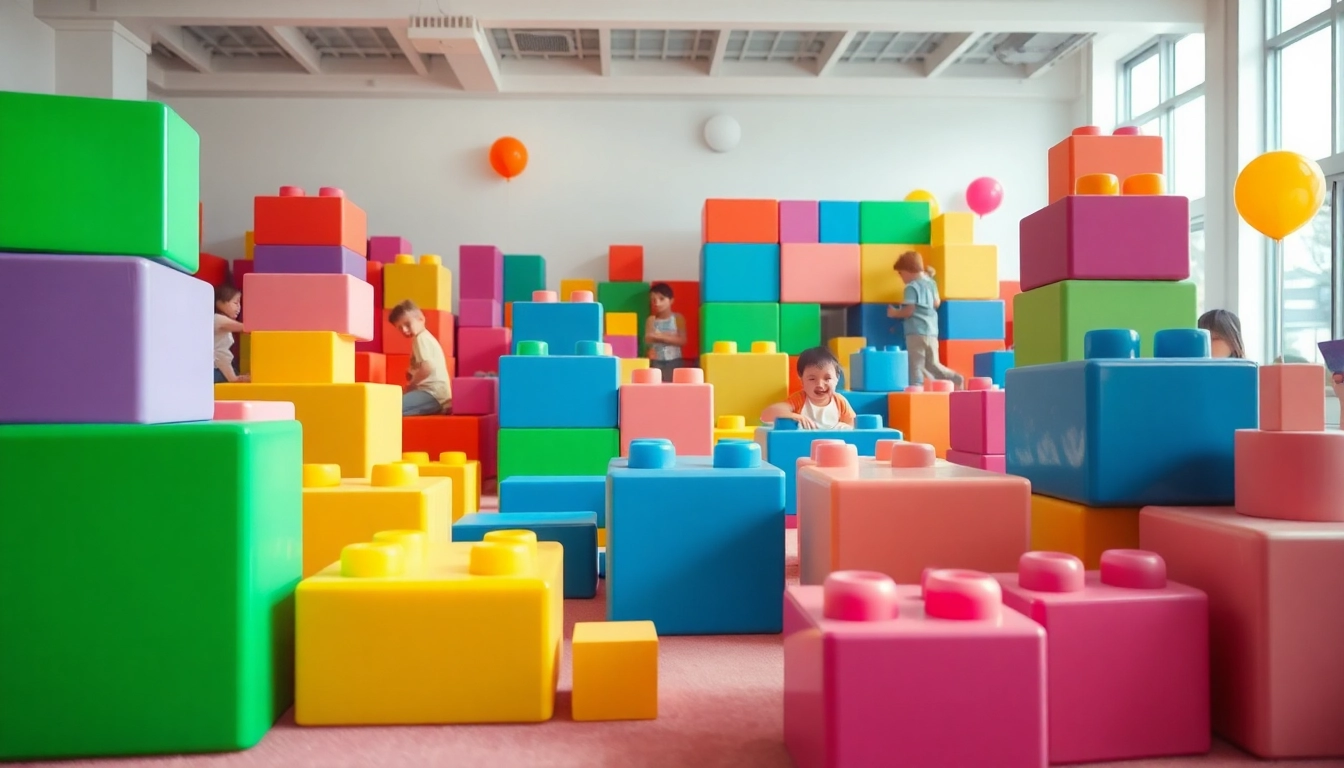
Introduction to Giant Building Blocks
In the world of play, few toys are as versatile and engaging as giant building blocks. These colorful, oversized blocks not only offer ample creative possibilities but also foster essential developmental skills in children. From open-ended play to structured challenges, giant building blocks can transform any environment into a vibrant playground of imagination. If you're looking to incorporate more creative play into your child's life, discover more about the impact of these fantastic toys.
What are Giant Building Blocks?
Giant building blocks are large, often foam or plastic blocks that come in a variety of shapes and sizes. They're designed to be easily manipulated by young hands, making them perfect for toddlers and preschoolers. These blocks are usually lightweight, colorful, and can be used to construct anything from simple structures to elaborate designs. Many brands offer themed sets as well, which can include characters, vehicles, or scenes that spark even more creativity.
The Benefits of Play with Large Blocks
Engaging with giant building blocks provides myriad developmental benefits for children. Some of these include:
- Motor Skills Development: Handling and stacking large blocks enhances fine and gross motor skills, essential for everyday tasks.
- Creativity and Imagination: Children can explore their creativity, as there are no rules to how they can build their structures.
- Problem-Solving Skills: Building challenges encourage children to think critically about balance, design, and spatial awareness.
- Social Interaction: Group play fosters sharing, cooperation, and negotiation among peers.
- Confidence Boosting: Completing a structure encourages self-esteem and a sense of accomplishment.
Popular Types of Building Blocks
Giant building blocks come in various forms, each catering to different interests and play styles. Common types include:
- Foam Blocks: Lightweight and safe, foam blocks are perfect for younger children. They come in various colors and are easy to stack.
- Plastic Blocks: Durable and weather-resistant, plastic blocks can be used indoors and outdoors, suitable for a broader range of building activities.
- Magnetic Blocks: Featuring magnetic edges, these blocks allow for creative building in three dimensions, encouraging innovative designs.
- Wooden Blocks: Timeless and sturdy, wooden blocks offer a classic experience, fostering imaginative play while being environmentally friendly.
Creative Play Ideas for Kids
Indoor Activities to Enhance Imagination
Indoor play with giant building blocks can be an exciting opportunity for children to unleash their imagination. Here are several engaging activities:
- Block Exploration: Create a designated play area where children have access to a variety of blocks. Let them explore different combinations without direction.
- Build a Fort: Encourage kids to construct their own fort using blocks and then decorate it with other toys, blankets, and cushions.
- Artistic Designs: Use the blocks as canvases – children can paint or draw designs on the blocks, integrating art with construction.
- Story Builders: Have children build their blocks based on a story you read together, allowing the narrative to guide their building.
Building Challenges for Different Age Groups
Tailoring building challenges to different age groups can help maintain interest while developing skills:
- Toddlers (1-3 years): Simple stacking challenges, such as building a tower of three blocks, can help develop hand-eye coordination.
- Preschoolers (4-5 years): Introduce themed challenges like constructing an animal or vehicle using blocks, sparking storytelling and role play.
- School-Aged Children (6+ years): Set group building challenges, such as constructing a bridge that can hold a certain weight, encouraging teamwork and critical thinking.
Incorporating Themes for Enhanced Fun
Thematic play can elevate the experience of building blocks. Some popular themes include:
- Under the Sea: Create aquatic structures, such as submarines or reefs, allowing for imagination to flourish.
- Space Exploration: Build rockets and planets, leading to discussions about space and science concepts.
- Fantasy Worlds: Construct castles, dragons, or other mythical structures, encouraging children to invent their own stories.
Safety Tips for Using Building Blocks
Choosing the Right Materials
When selecting giant building blocks, consider the materials used and their implications for safety. Look for:
- Non-Toxic Materials: Ensure blocks are made from safe, non-toxic materials, particularly if children are prone to putting things in their mouths.
- Rounded Edges: Opt for blocks with rounded edges to minimize the risk of injury during play.
- Weight Considerations: Choose blocks that are lightweight enough for children to handle easily, preventing potential accidents from falling blocks.
Supervising Playtime for Younger Children
Active supervision is essential, especially with younger children. Consider these practices:
- Engagement: Play alongside children to model safe play behaviors and encourage cooperative building.
- Safe Play Zones: Designate a specific area for block play, free from hard surfaces and other hazards.
- Teach Sharing: Encourage sharing blocks and taking turns, fostering respect and patience among peers.
Safe Play Environments
Creating a safe play environment is crucial for maximizing the enjoyment of building blocks:
- Soft Flooring: Use mats or carpet to create a soft base that cushions falls and reduces the risk of injury.
- Clear Obstacles: Ensure the play area is free from obstacles that could cause trips or falls while children play with blocks.
- Supervised Play Area: Maintain visibility of children at all times, keeping distractions away from their safe zone.
Maintenance and Care for Giant Blocks
Cleaning and Sanitizing Reminders
To maintain hygiene and safety, it’s vital to regularly clean and sanitize giant building blocks:
- Routine Cleaning: Wipe blocks with a damp cloth and mild soap after every use, especially in shared settings.
- Disinfecting: Use child-safe disinfectants periodically to eliminate germs, particularly during cold and flu seasons.
- Check for Damage: Regularly inspect blocks for signs of wear or damage that could pose safety risks.
Storage Solutions to Maximize Space
Efficient storage can help preserve giant blocks and keep play areas organized. Here are effective storage solutions:
- Stackable Storage Bins: Use stackable bins to store blocks and maximize vertical space in play areas.
- Wall-Mounted Racks: Consider wall-mounted storage solutions for easy access and organization of blocks.
- Dedicated Play Carts: Utilize rolling carts for portable storage, allowing easy transition from indoor to outdoor play.
Signs Your Blocks Need Replacement
Regularly assessing the condition of your giant building blocks is crucial. Watch for these signs indicating the need for replacement:
- Cracks or Splinters: Any visible damage could pose hazards and compromise the integrity of the blocks.
- Discoloration: Severe fading or discoloration may indicate material degradation.
- Odor: A strange smell may suggest that the material is breaking down or harboring bacteria.
Frequently Asked Questions
What age group are giant building blocks suitable for?
Giant building blocks are typically suitable for ages 1 and up, with specific designs catering to toddlers, preschoolers, and older children.
How can we encourage cooperative play with building blocks?
Set group challenges, provide shared goals, and model teamwork behaviors to encourage cooperative play among children.
Are there eco-friendly options for large building blocks?
Yes, many brands now offer eco-friendly building blocks made from recycled materials or sustainably sourced wood.
Can giant building blocks be used outdoors?
Absolutely! Many plastic and foam blocks are designed for outdoor use, making them versatile for different play environments.
What storage methods are best for giant blocks?
Stackable bins, wall-mounted racks, or rolling carts are effective storage solutions, keeping blocks organized and out of the way when not in use.