
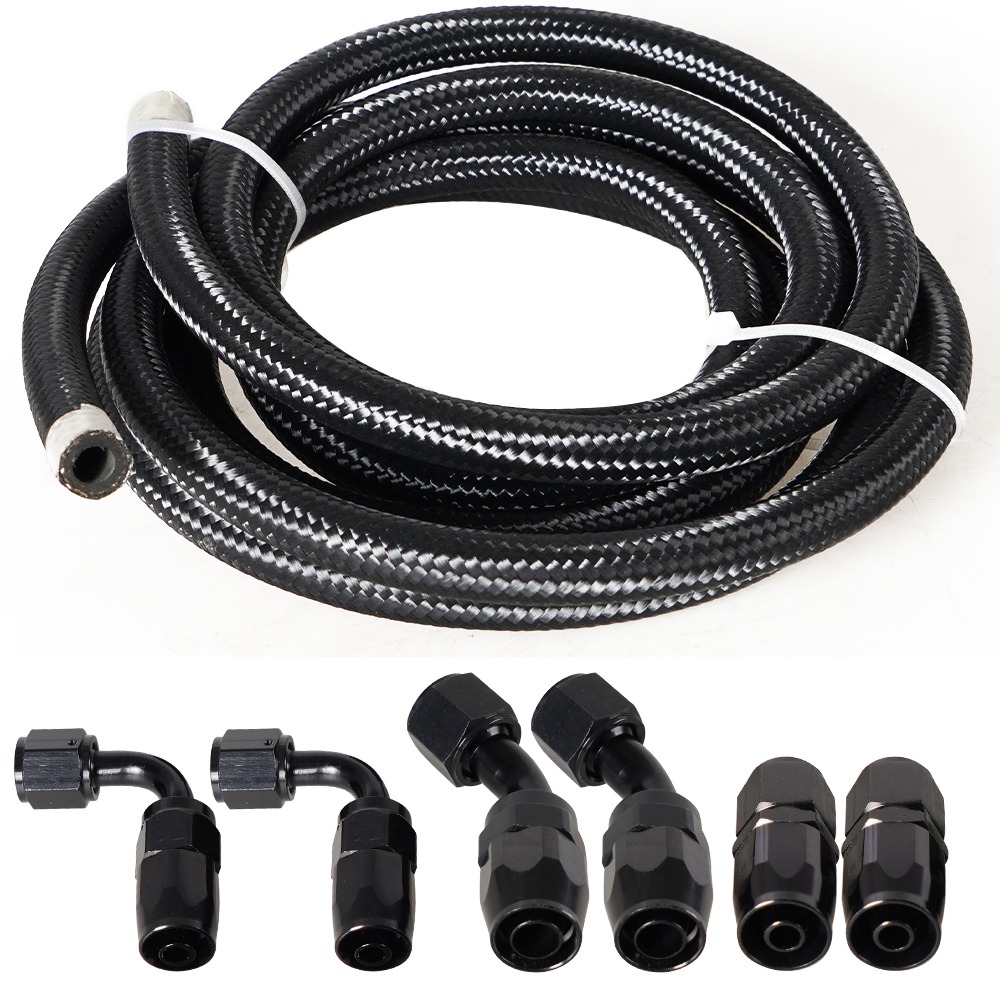
In performance and custom automotive builds, Fuel line AN fittings play a critical role in ensuring safety, efficiency, and reliability. At Rvng RaceWorks, enthusiasts and builders often rely on Fuel line AN fittings to create leak-free, high-pressure fuel systems that can handle demanding conditions. Whether you are upgrading a street car or building a full race machine, Fuel line AN fittings are one of the most important components in achieving a professional-grade fuel delivery system.
Introduction to Fuel line AN fittings
Fuel line AN fittings are precision-engineered connectors designed to join fuel hoses, lines, and components in a secure and leak-resistant manner. In modern performance systems, Fuel line AN fittings are preferred over traditional clamps because they offer superior sealing and durability. Many builders choose Fuel line AN fittings for their ability to withstand high pressure and extreme temperatures without failure.
At Rvng RaceWorks, understanding how Fuel line AN fittings work is essential for building efficient fuel systems. These fittings come in various sizes and materials, allowing customization for different performance requirements. Proper selection of Fuel line AN fittings ensures optimal fuel flow and system reliability.
Why Fuel line AN fittings matter in performance systems
The importance of Fuel line AN fittings cannot be overstated when designing a reliable fuel system. Poor quality connections can lead to leaks, pressure drops, and even engine damage. High-performance engines depend on consistent fuel delivery, and Fuel line AN fittings ensure that fuel moves smoothly without interruption.
One key advantage of Fuel line AN fittings is their ability to maintain a tight seal under vibration and heat. In motorsport environments, vibrations can loosen traditional fittings, but Fuel line AN fittings are engineered to remain secure. Additionally, Fuel line AN fittings help reduce the risk of fuel contamination by providing a closed and stable connection system.
Another reason builders prefer Fuel line AN fittings is their versatility. They can be used in fuel systems, oil systems, and coolant systems, making them a universal solution in performance engineering. Choosing high-quality Fuel line AN fittings ensures long-term durability and consistent performance.
Types of Fuel line AN fittings available
There are several types of Fuel line AN fittings available for different applications. Straight, 45-degree, and 90-degree Fuel line AN fittings are commonly used depending on routing requirements. Each type of Fuel line AN fittings is designed to optimize space and improve flow efficiency in tight engine bays.
Reusable and crimp-style Fuel line AN fittings are also widely used in custom builds. Reusable Fuel line AN fittings are popular among enthusiasts because they allow easy assembly and disassembly without special tools. Meanwhile, crimp-style Fuel line AN fittings provide a more permanent and industrial-grade connection.
Material selection also plays a major role in Fuel line AN fittings performance. Aluminum Fuel line AN fittings are lightweight and ideal for most racing applications, while stainless steel Fuel line AN fittings offer superior strength and corrosion resistance. Choosing the right Fuel line AN fittings depends on your performance goals and environmental conditions.
Installation tips for Fuel line AN fittings
Proper installation of Fuel line AN fittings is crucial for ensuring a leak-free system. Before installing Fuel line AN fittings, always make sure the hose ends are clean and cut evenly. Any damage or uneven cuts can compromise the seal of Fuel line AN fittings and lead to fuel leaks.
When tightening Fuel line AN fittings, avoid over-torquing as it can damage the threads and reduce sealing effectiveness. Instead, follow manufacturer specifications for Fuel line AN fittings installation. Using the correct lubrication during assembly also helps ensure smooth tightening and better sealing performance of Fuel line AN fittings.
Routing is another important factor when working with Fuel line AN fittings. Ensure that fuel lines connected with Fuel line AN fittings are not kinked or under tension. Proper routing enhances flow efficiency and extends the lifespan of Fuel line AN fittings in high-performance environments.
Maintenance and long-term reliability of Fuel line AN fittings
Regular inspection of Fuel line AN fittings is essential for maintaining a safe and efficient fuel system. Over time, vibrations and heat cycles can affect even high-quality Fuel line AN fittings, so periodic checks are necessary. Look for signs of wear, loosening, or fuel residue around Fuel line AN fittings connections.
Cleaning Fuel line AN fittings during maintenance helps prevent debris buildup and ensures consistent performance. If any Fuel line AN fittings show signs of damage, they should be replaced immediately to avoid system failure. Using high-grade replacement Fuel line AN fittings ensures continued reliability.
At Rvng RaceWorks, performance enthusiasts understand that investing in quality Fuel line AN fittings is not just about performance but also safety. A well-maintained system using durable Fuel line AN fittings can significantly extend the life of your engine and improve overall efficiency.
Conclusion
Upgrading your vehicle with high-quality Fuel line AN fittings is one of the most effective ways to improve fuel system reliability and performance. From installation to maintenance, Fuel line AN fittings provide unmatched durability and sealing capability. Whether you are building a street performance car or a dedicated race machine, choosing the right Fuel line AN fittings ensures long-term success and safety in your fuel system design.