Understanding AI Inference and Its Importance
AI inference is at the heart of the artificial intelligence landscape, providing the capability to transform vast data sets into actionable insights. As businesses and individuals increasingly leverage AI technologies, understanding what AI inference entails and its critical role in data processing has become essential. In this landscape, the need for efficient infrastructure, like that offered by AI inference, is paramount to support various use cases effectively.
What is AI Inference?
AI inference refers to the process of executing a trained AI model to generate predictions or decisions based on new, unseen data. Unlike the training phase, where models learn patterns from data, inference involves applying this learned knowledge to real-world applications. In essence, AI inference is the moment when AI 'thinks' and produces results that can be utilized for decision-making.
How AI Inference Transforms Data Processing
The transformation of data processing through AI inference lies in its ability to analyze and interpret data at remarkable speeds. This capability allows for real-time data analysis, enabling organizations to respond swiftly to changing demands and queries. For instance, in sectors such as finance, AI inference can be used for fraud detection by quickly reviewing transaction patterns against established benchmarks.
Common Misconceptions About AI Inference
One prevalent misconception about AI inference is that it equates to AI training. In reality, inference is the application phase, while training is the foundational step where models are built. Additionally, many may assume that inference can only be effectively executed on high-powered systems; however, advances in technology have enabled inference tasks to run efficiently on various hardware setups, from enterprise-level servers to edge devices.
Key Components of Effective AI Infrastructure
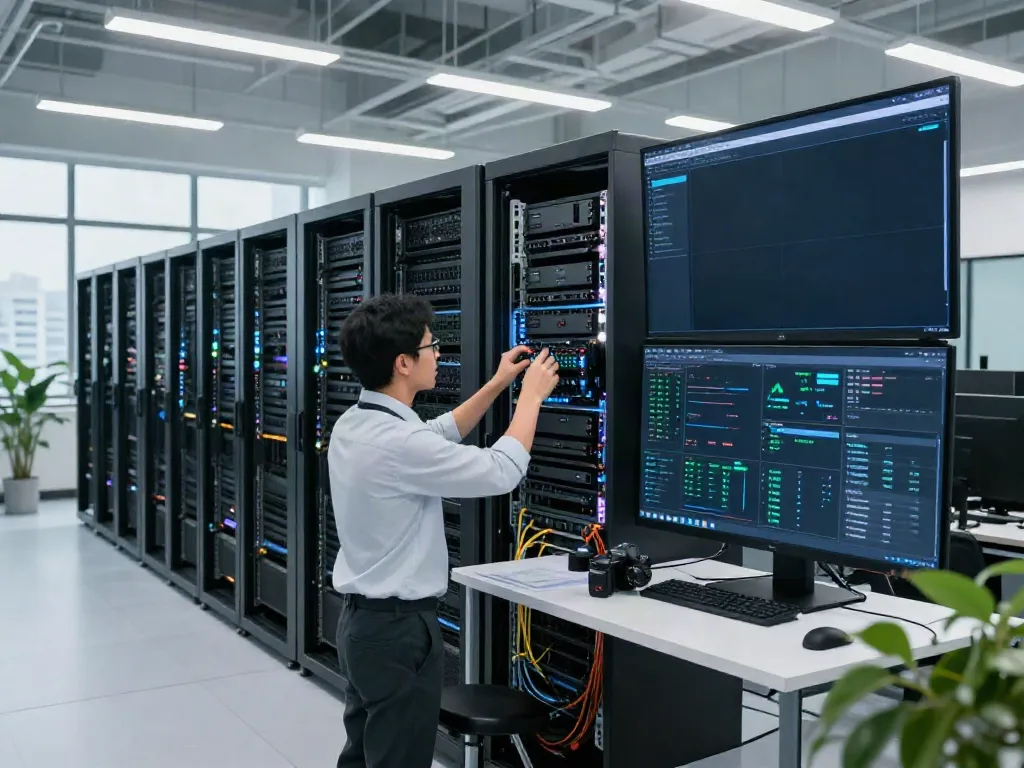
For AI inference to be effective, a robust infrastructure is essential. This infrastructure includes hardware, software, and energy management systems designed to optimize performance and efficiency. In this section, we’ll explore the critical elements that make up an effective AI infrastructure.
Essential Hardware for AI Inference
AI inference requires specialized hardware such as GPUs (Graphics Processing Units) that are designed to handle parallel processing tasks efficiently. These components significantly speed up the computational tasks associated with inference. Moreover, the integration of TPU (Tensor Processing Units) further enhances performance, making them ideal for large-scale AI applications.
Software Solutions for Optimizing AI Workloads
In conjunction with hardware, utilizing the right software tools is vital for optimizing AI workloads. This includes frameworks like TensorFlow and PyTorch, which facilitate model deployment for inference. Additionally, AI inference engines can provide optimizations that allow for faster processing and improved model performance. For example, efficient batching strategies can increase throughput, enabling the simultaneous processing of multiple requests.
Energy Management in AI Operations
Energy consumption is a critical aspect of AI operations, particularly in inference tasks that demand substantial computational resources. Implementing energy-efficient practices, such as utilizing renewable energy sources and optimizing power usage, can mitigate costs and environmental impact. Moreover, energy management systems can track and adjust energy usage in real-time, ensuring efficient operations for AI infrastructures.
Challenges in Implementing AI Inference
While the benefits of AI inference are considerable, several challenges impede its implementation. These challenges range from technical hurdles to budget constraints, affecting the overall deployment of AI technologies.
Technical Hurdles in AI Infrastructure
A primary challenge in AI inference systems is ensuring that the infrastructure can scale to meet demand. High-density workloads require reliable, efficient processing capabilities and cooling systems to handle the immense heat generated by GPUs. Additionally, integrating disparate systems can lead to compatibility issues, hindering performance and usability.
Costs vs. Benefits Analysis of AI Inference
Organizations often grapple with the costs associated with deploying AI inference solutions. While initial investments in infrastructure can be significant, the long-term benefits, such as increased efficiency and improved decision-making capabilities, can outweigh these costs. Companies must conduct a thorough cost-benefit analysis to ensure that their investment in AI inference aligns with their strategic goals.
Strategies to Overcome Common AI Implementation Issues
To effectively address the challenges of AI inference, organizations can adopt several strategies. These may include investing in scalable infrastructure, utilizing cloud solutions to reduce upfront costs, and training personnel to manage and maintain AI systems effectively. Additionally, conducting regular audits of AI systems can help identify areas for improvement and ensure optimal performance.
Best Practices for Maximizing AI Inference Performance
To maximize the potential of AI inference, implementing best practices is crucial. These practices can enhance the efficiency and effectiveness of AI systems across various use cases.
Monitoring and Measuring AI Workloads
Continuous monitoring of AI workloads allows organizations to identify performance bottlenecks and optimize infrastructure accordingly. Tools that provide real-time analytics enable organizations to assess the efficiency of their AI inference processes and make data-driven decisions regarding resource allocation.
Optimizing Power Allocation for AI Tasks
Efficient power allocation is essential in AI environments where resource demand fluctuates. Leveraging intelligent resource allocation systems can help distribute power based on real-time needs, ensuring that AI inference tasks are completed with minimal waste. This optimal use of resources not only enhances performance but also reduces operating costs.
Collaborating Across Teams for Effective AI Solutions
Collaboration between IT and operational teams is vital for developing effective AI solutions. Cross-functional teams can ensure that insights derived from AI inference are integrated into broader business strategies, leading to more informed decision-making. Regular communication and shared goals promote a collective understanding of AI’s impact across the organization.
The Future of AI Inference: Trends and Predictions for 2026
As we look toward the future, several trends are set to shape the landscape of AI inference. These advancements will significantly influence how organizations deploy AI technologies across industries.
Emerging Technologies Shaping AI Infrastructure
Emerging technologies such as quantum computing and edge computing are poised to revolutionize AI infrastructure. Quantum computing offers the potential to process information at unprecedented speeds, drastically reducing the time required for inference tasks. Meanwhile, edge computing allows data processing closer to data sources, enhancing real-time analytics capabilities.
Predictive Analytics and Real-Time Decision Making
The integration of predictive analytics into AI inference workflows will enable organizations to make proactive decisions based on anticipated trends and behaviors. By leveraging AI to analyze historical data and predict future outcomes, businesses can position themselves advantageously within their respective markets.
Potential Market Growth of AI Inference Solutions
Market analysts predict substantial growth in the AI inference sector by 2026, driven by the increasing adoption of AI technologies across various industries. This growth will create opportunities for vendors specializing in AI infrastructure and solutions, fostering innovation and competition in the marketplace.
What are the main benefits of AI inference?
The primary benefits of AI inference include improved efficiency in data processing, enhanced decision-making capabilities, and the ability to analyze large datasets in real-time. These advantages empower organizations to leverage data insights effectively, optimizing operations and driving business growth.
How does AI inference differ from AI training?
AI inference differs from AI training in that training involves teaching a model on existing data to learn patterns, whereas inference is the actual application of that trained model to make predictions on new data. Training sets the foundation, while inference delivers actionable insights based on that foundation.
What hardware is best for optimizing AI inference operations?
Optimal hardware for AI inference operations typically includes GPUs and TPUs, which excel at parallel processing tasks. Additionally, utilizing high-performance computing resources can significantly enhance the speed and efficiency of inference tasks, especially in environments with high data throughput.
Can small businesses implement AI inference effectively?
Yes, small businesses can implement AI inference effectively by leveraging cloud-based solutions that offer scalable resources without the need for substantial upfront investments. These platforms allow small entities to access powerful AI capabilities while managing costs and operational demands efficiently.
What are the most common challenges faced during AI inference?
Common challenges in AI inference include managing computational demands, ensuring scalability, maintaining data integrity, and integrating AI solutions with existing business processes. Addressing these challenges requires strategic planning and investment in appropriate infrastructure.